A Deep Dive Into The Sigiriya Archaeological Museum

Thinuli Gunaratne
Travel Writer
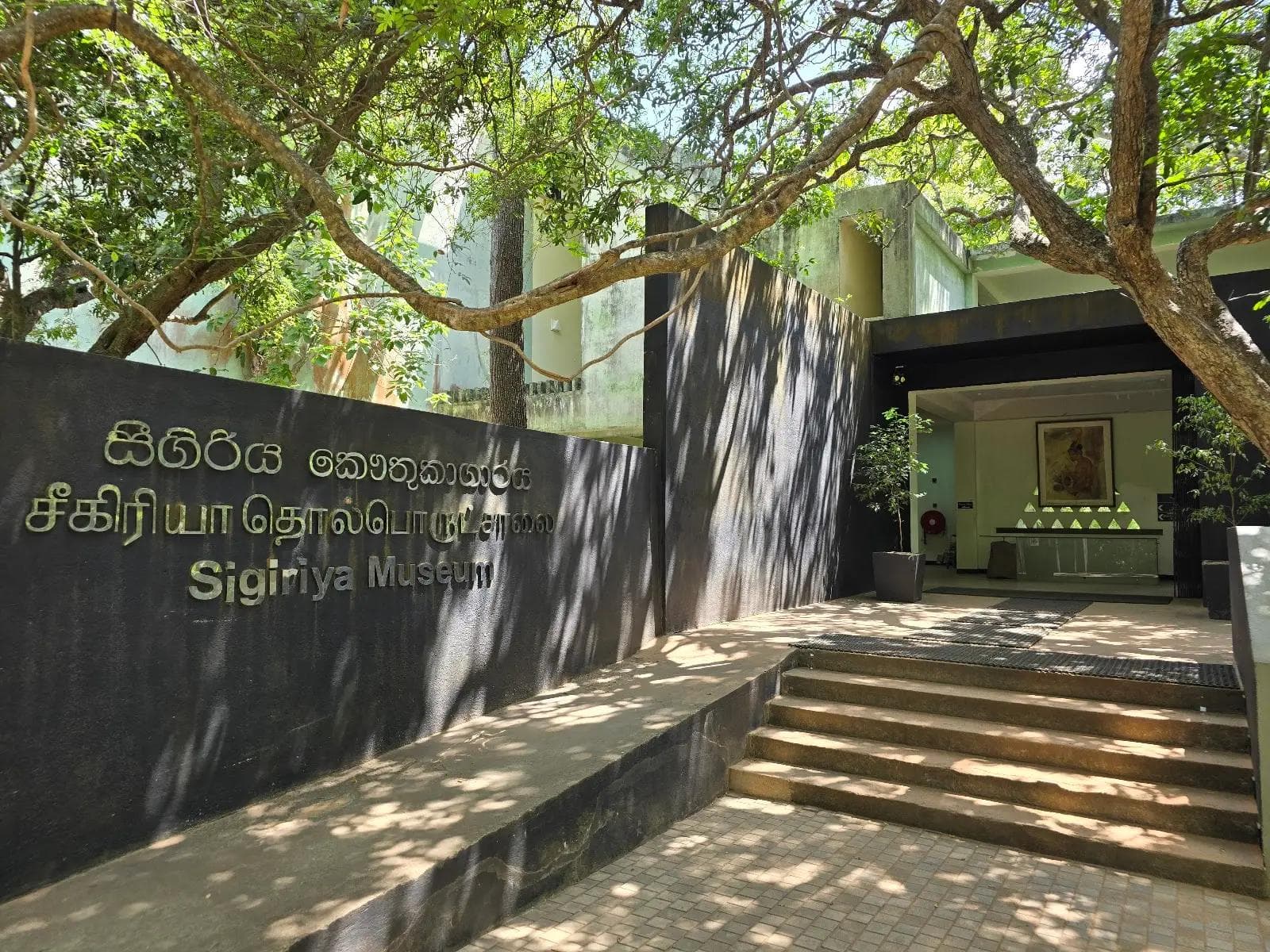
While the Lion Rock Fortress itself provides an immersive experience in ancient ruins, the Sigiriya Archaeological Museum offers essential context, allowing visitors to truly understand the site's history, the artifacts recovered, and the sheer genius of King Kasyapa’s kingdom. Located near the main ticketing office, this modern, beautifully designed museum is an indispensable stop that transforms the ancient stones of Sigiriya into a living history lesson.
Architectural Harmony: A Museum Designed Around Nature
The Sigiriya Archaeological Museum, established in 2009, is an architectural marvel in itself. Built with funding from the Japanese International Cooperation Agency, the structure follows a "Green Building" concept. Its design is intentionally layered, with three floors meant to mimic the ascending terraces of the rock fortress, creating a journey that complements the eventual climb.
- Blending In: The building integrates seamlessly with the natural environment, expertly constructed around massive existing trees and natural water springs, emphasizing the ancient civilization’s respect for its surroundings.
- The Entrance: The tour often begins by passing through a brick tunnel, consciously designed to resemble the entrance archway leading into the Sigiriya fortress grounds, setting an immediate historical tone.
Galleries of Discovery: From Prehistory to Monastic Life
The museum is thoughtfully arranged across multiple galleries, guiding the visitor chronologically through the history of the Sigiriya area, from its earliest inhabitants to its time as a royal capital and later, a Buddhist monastery.
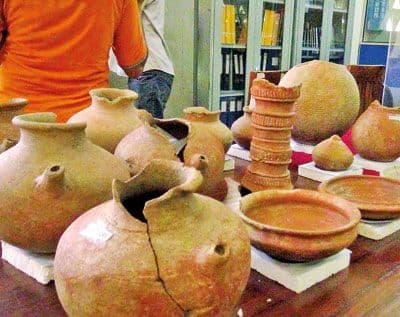
- Protohistory and Early Life: This section showcases relics from the prehistoric era, including ancient tools, pottery, iron implements, and even a prehistoric human skeleton replica, providing a glimpse into the lives of the area's earliest settlers.
- The Monastic Era: Exhibits from the Early and Late Monastic periods are featured, including Buddhist sculptures, dolomitic marble plaques from nearby stupas, and plans of the ancient monasteries that thrived in the region before and after Kasyapa’s reign.
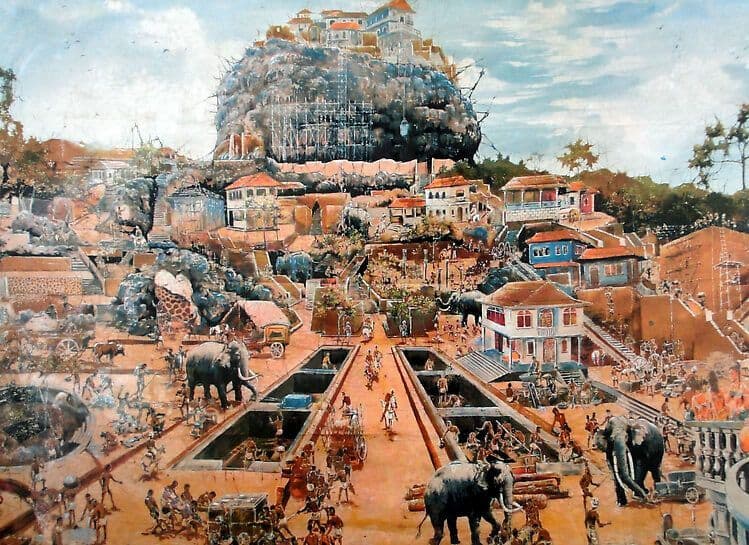
The Golden Age of Kasyapa: Reconstructions and Dioramas
The highlight of the museum is undoubtedly the gallery dedicated to the “Golden Age of Sigiriya” under King Kasyapa. This section brings the palace ruins to life, helping visitors visualize the full splendor of the fifth century citadel.
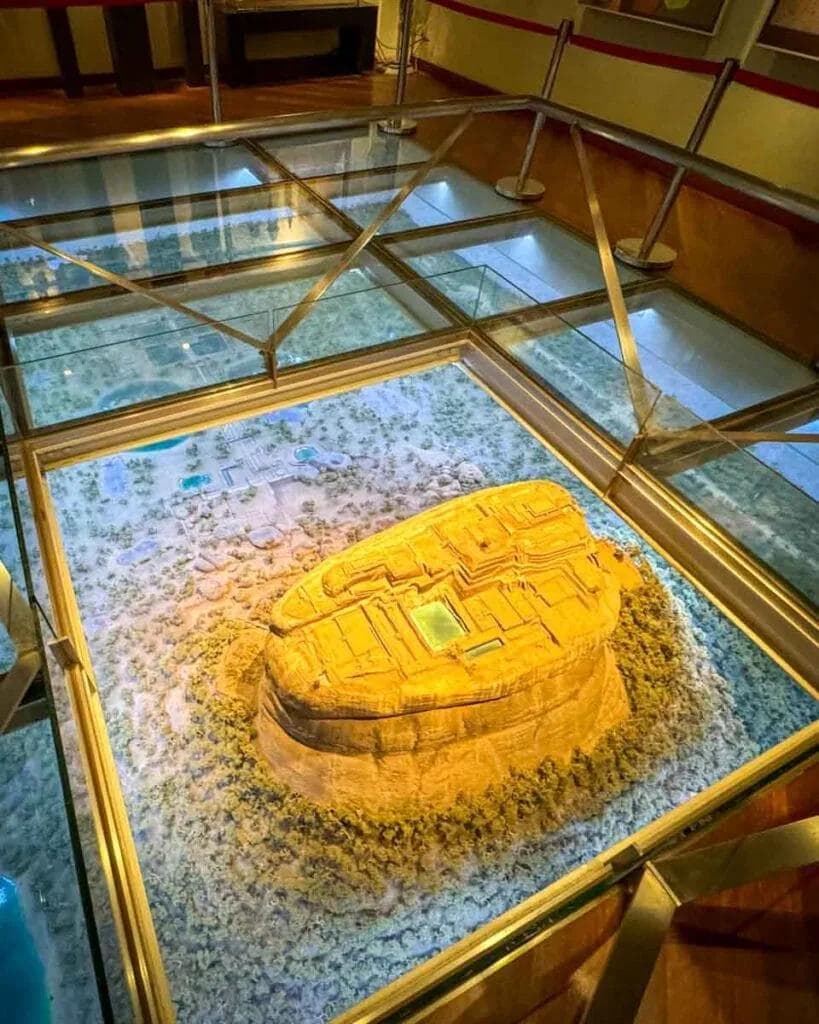
- The Scale Model: A centerpiece is the intricate, miniature model of the entire Sigiriya rock fortress and its surrounding gardens. This provides a crucial bird’s eye view, helping visitors understand the complex urban planning, the defensive moats, and the relationship between the rock and the plains.
- Frescoes and Mirror Wall Replicas: For those unable to complete the climb, or for those seeking a detailed examination, the museum houses painstaking, accurate replicas of the famous Sigiriya Frescoes. There are also exhibits detailing the Mirror Wall and the graffiti, often including audio recordings of the ancient verses translated into modern language.
- Royal Artifacts: This area displays metal artifacts, weaponry, jewellery (including a replica of the famed Sigiriya Earring), and Sasanian vessels, which offer tangible evidence of the courtly life and the international trade routes Sigiriya was part of.
Planning Your Museum Visit
The Sigiriya Archaeological Museum is included in the price of the main Sigiriya Rock Fortress ticket, making it an excellent value addition.
- When to Visit: It is highly recommended to visit the museum before climbing the rock. The context provided by the dioramas, plans, and historical narrative will significantly enhance your appreciation of the ruins, water gardens, and the climb itself.
- Timing and Photography: Allow 1 to 2 hours for a thorough visit. Note that photography is generally not permitted inside the exhibit halls to protect the artifacts from flash damage and preserve the experience.
- The Overhead View: Look out for the strategic glass panels on some floors that offer unique overhead views of the Water Gardens and other parts of the site outside the museum, providing a modern perspective on the ancient layout.
Enjoyed this story? Share it
About the Author
Thinuli Gunaratne
A passionate cultural explorer and travel storyteller dedicated to uncovering the ancient secrets, ancient rock fortress trails, lush palace gardens, and the rich cultural heritage of Sigiriya — the ancient heart of Sri Lanka.