Day Trip Delight: Why Polonnaruwa is the Perfect Excursion from Sigiriya

Hannah Brooks
Travel Writer
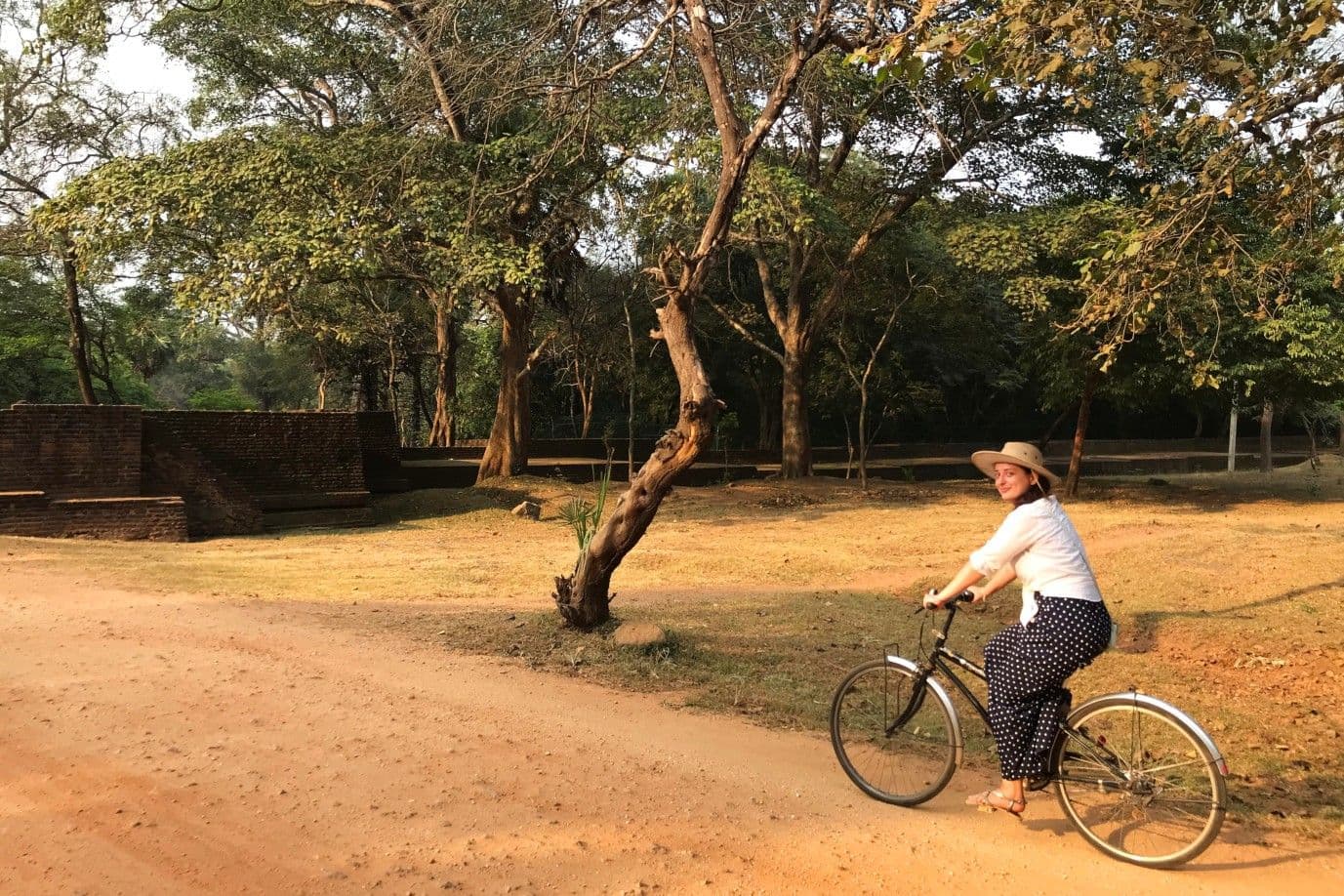
While Sigiriya defines the architecture of a king's palace, Polonnaruwa, the second ancient capital of Sri Lanka, offers a sweeping view of a medieval kingdom. Located about an hour and a half drive east of Sigiriya, the magnificent UNESCO World Heritage city of Polonnaruwa is the ideal day trip to complete your immersion in the Cultural Triangle. Its ruins are incredibly well preserved, offering a dense, rewarding historical journey that perfectly complements the focused wonder of Lion Rock.
A Capital of Contrasts: Brick vs. Stone
Polonnaruwa’s ruins, which succeeded Anuradhapura as the capital in the 10th century and flourished until the 13th century, showcase a shift in Sinhalese architecture and art.
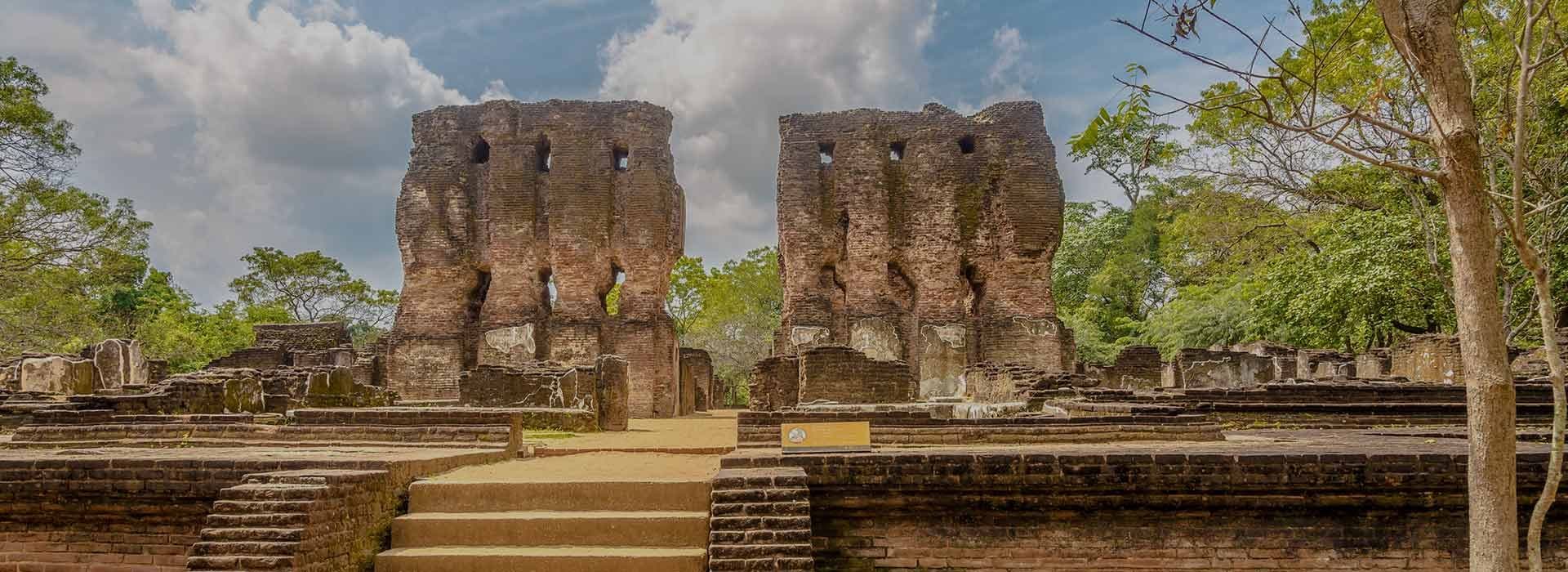
- Brick and Plaster: Unlike the stonework and bedrock carvings seen at Sigiriya and Dambulla, Polonnaruwa’s major structures, like the Royal Palace and the towering Image Houses, are largely constructed from intricate brickwork, reflecting the building styles of its medieval zenith.
- Compact Layout: The ancient city is relatively compact, stretching about 4 kilometers along a central road. This makes it far easier to explore than the sprawling ruins of
- Anuradhapura, often being fully covered in a half day tour.
Essential Sights You Cannot Miss
Polonnaruwa is packed with historical treasures. Here are the highlights that make the journey worthwhile:
The Royal Citadel
Begin your tour here, where the remains of King Parakramabahu I’s palace stand. The ruins of the massive Royal Palace believed to have been seven stories high and the Council Chamber, decorated with intricate elephant carvings, offer a glimpse into the secular life of the kingdom.
The Sacred Quadrangle (Dalada Maluwa)
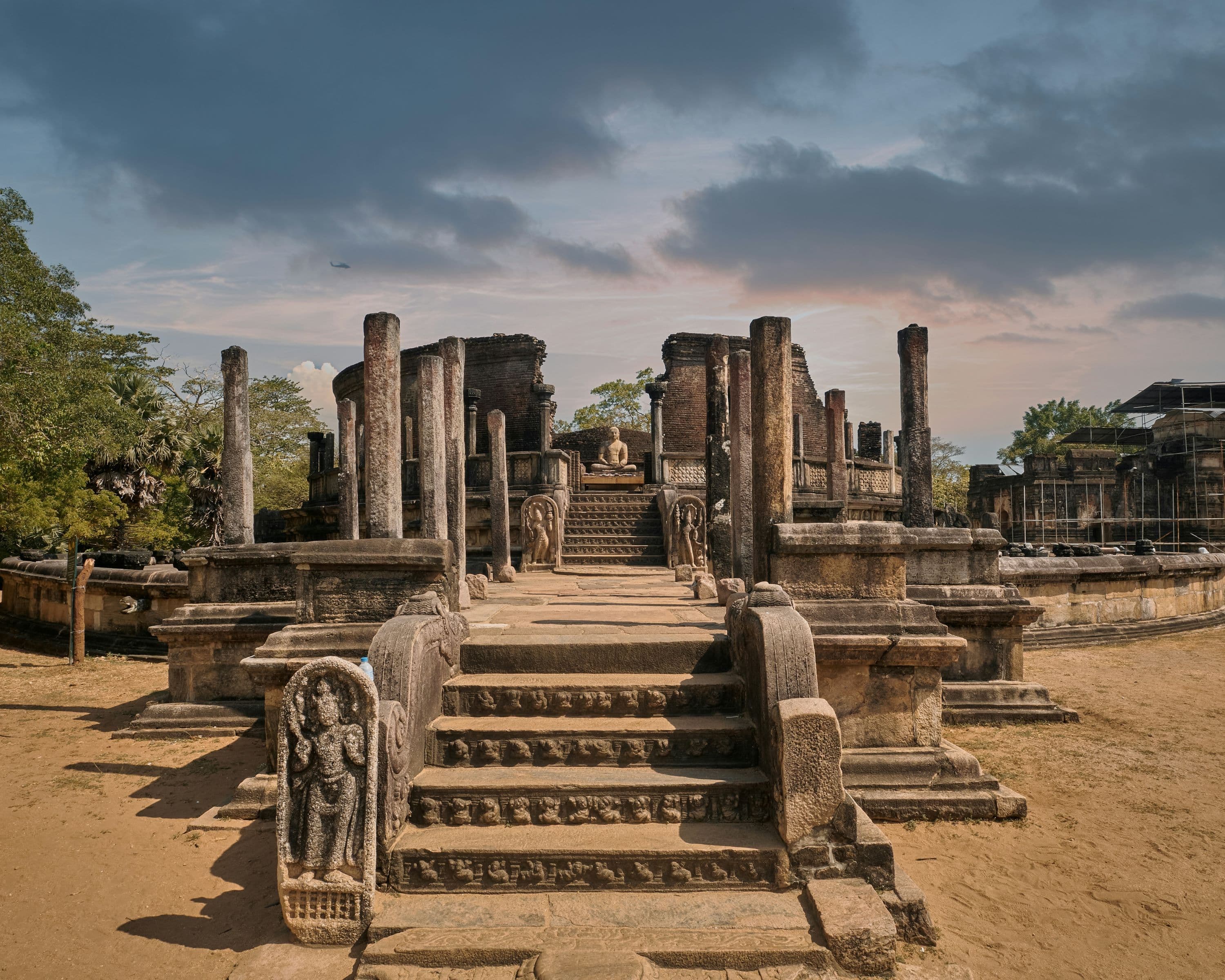
This is the most concentrated collection of monumental structures in the ancient city. It housed the Sacred Tooth Relic and features some of the finest stone craftsmanship. Key structures include the circular Polonnaruwa Vatadage, famous for its four seated Buddha statues and exquisite moonstones, and the elegant, pillared Nissanka Latha Mandapaya.
Gal Vihara (Rock Temple)
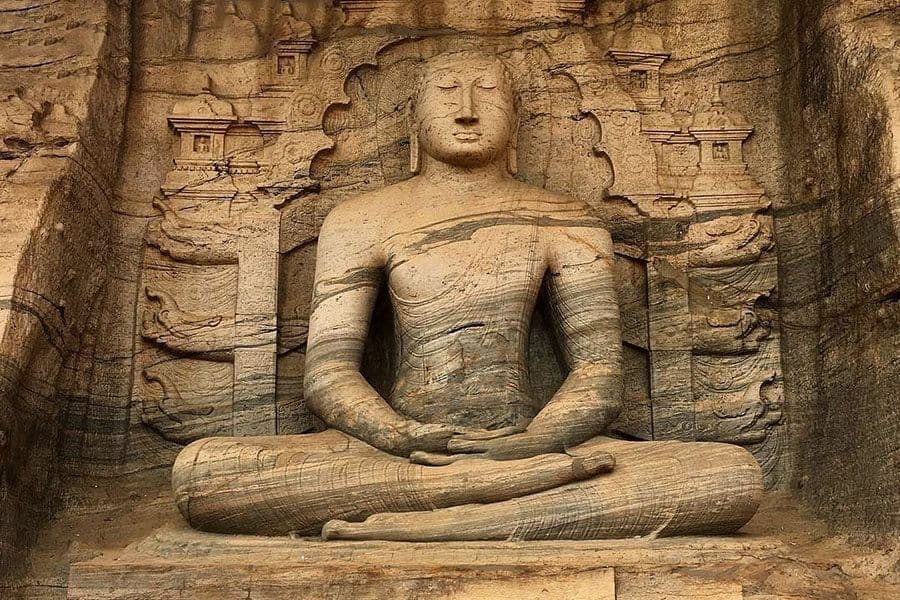
This is the artistic pinnacle of Polonnaruwa. Four magnificent Buddha figures are carved out of a single, colossal slab of granite: a seated image, a small cave image, a standing image, and a massive 14 meter long reclining Buddha. The artistry and serenity of these figures are unrivaled.
Exploring Polonnaruwa: Go by Bike
The best and most popular way to explore the extensive grounds of Polonnaruwa is by renting a bicycle.
- Freedom and Pace: Renting a bike (easily available near the entrance or from local tour operators) allows you to set your own pace, enjoy the breeze, and easily move between the scattered temple complexes.
- The Parakrama Samudra: Cycle along the bund (embankment) of the vast Parakrama Samudra, a massive ancient reservoir built by King Parakramabahu I. This engineering feat, often referred to as a sea, provided water to the entire kingdom and is a spectacular sight.
Planning Your Day Trip Logistics
A Polonnaruwa day trip from Sigiriya is easily manageable with a hired car or private driver.
- Transport Time: The one way drive takes approximately 1.5 hours.
- Best Timing: Start your drive early (around 7:30 AM) to arrive by 9:00 AM. This allows you to explore the ruins on a bicycle during the cooler morning hours, finishing your tour before the afternoon heat peaks.
- What to Wear: Remember that Polonnaruwa is a religious site. Dress modestly (covering shoulders and knees). You will be required to remove your shoes and hats at many of the temples, so wearing socks is highly recommended for walking on the hot stone paths.
Combining the vertical drama of Sigiriya with the horizontal expanse and detailed artistry of Polonnaruwa ensures you leave the Cultural Triangle with a comprehensive appreciation of Sri Lanka’s golden age.
Enjoyed this story? Share it
About the Author
Hannah Brooks
A passionate cultural explorer and travel storyteller dedicated to uncovering the ancient secrets, ancient rock fortress trails, lush palace gardens, and the rich cultural heritage of Sigiriya — the ancient heart of Sri Lanka.