Decoding The Sigiriya Frescoes And Mirror Wall
Shehan De Silva
Travel Writer
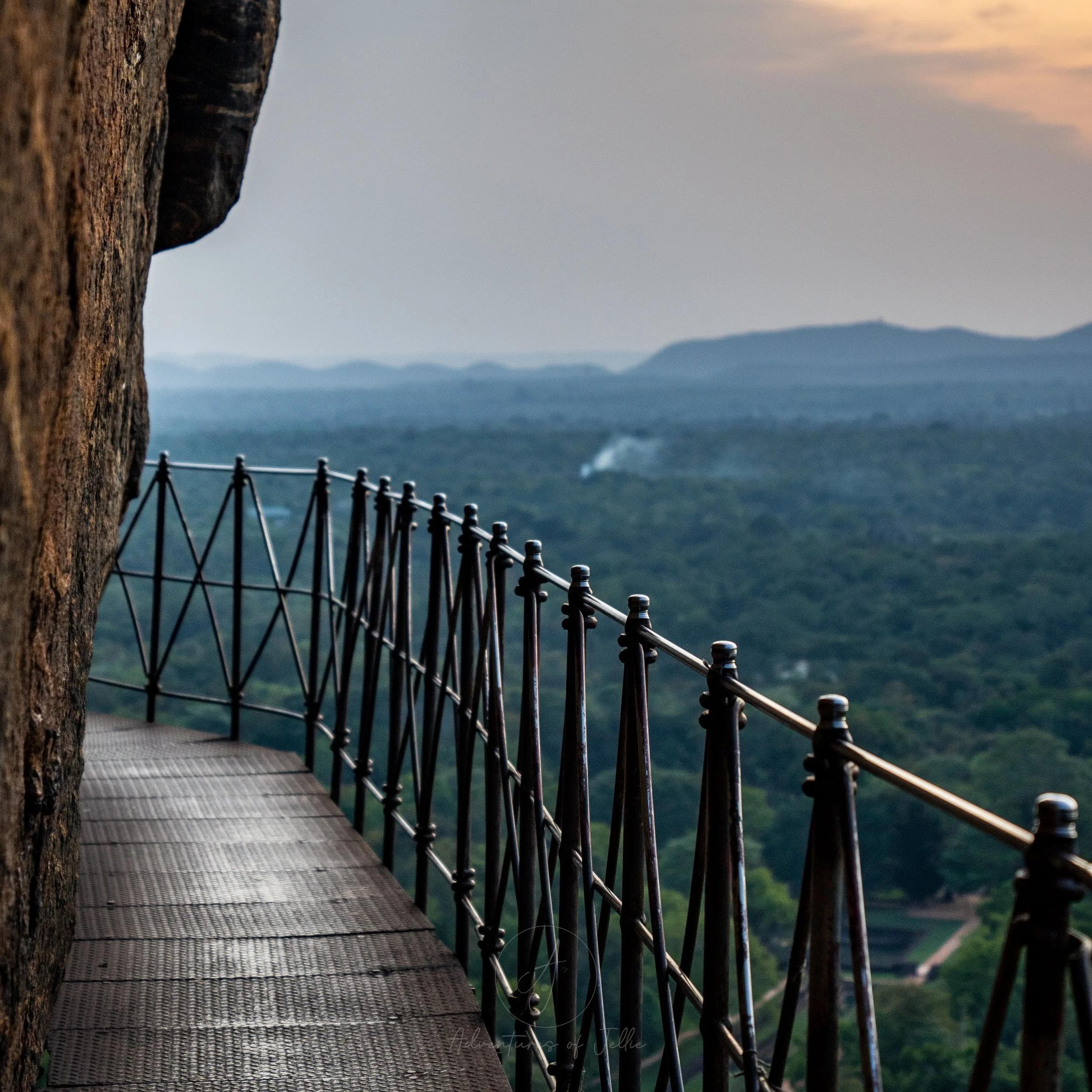
Midway through the demanding ascent of Sigiriya, the journey transitions from ancient engineering to profound artistic and literary heritage. This section, shielded high above the plains, contains two of the rock fortress's most celebrated treasures: the vibrant Sigiriya Frescoes and the enigmatic Mirror Wall with its ancient graffiti. Together, they offer a unique time capsule, preserving the artistry of the fifth century and the cultural voice of subsequent generations.
The Heavenly Maidens: A Masterpiece in Fresco
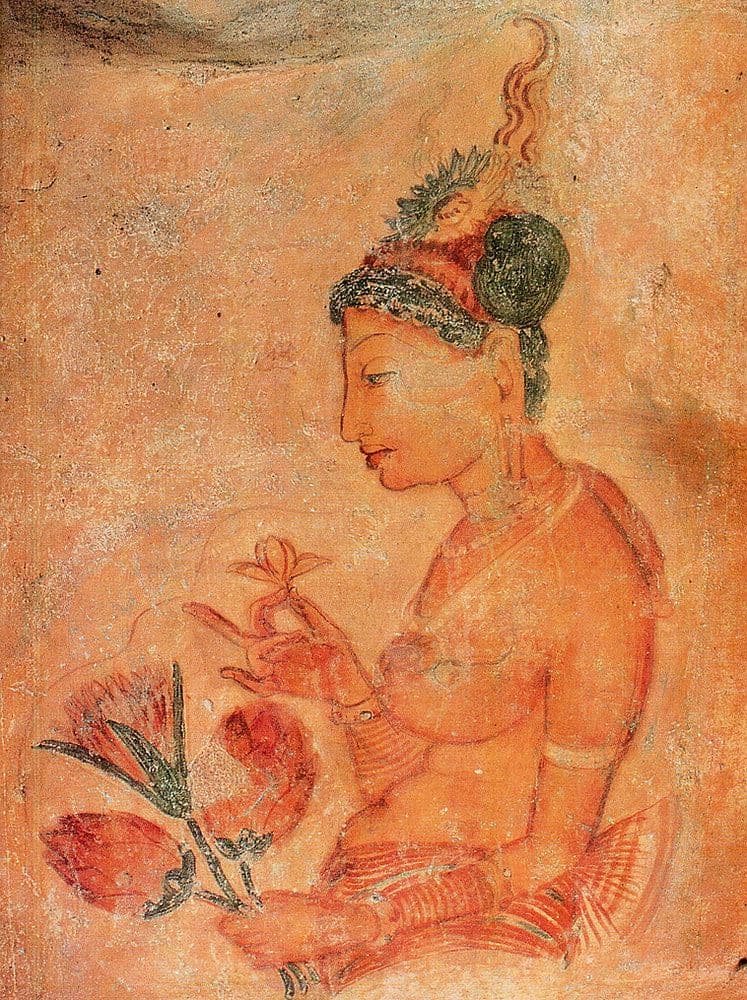
The Sigiriya Frescoes are a breathtaking testament to the skill of ancient Sri Lankan artists. Painted on the western face of the rock, tucked away in a sheltered pocket, these vibrant murals date back to the reign of King Kasyapa (477–495 CE).
Artistic Significance:
- Subject Matter: The paintings depict semi nude women, adorned with elaborate jewelry and headdresses, often interpreted as apsaras (celestial nymphs) or, more practically, as the king's consorts or attendants. Their poses and expressions are graceful, and their skin tone ranges from golden to bluish yellow.
- Technique: The artists employed a form of fresco technique, applying pigments to a prepared plaster surface. Though originally thought to number around five hundred, only twenty two remain today, yet they are remarkably well preserved due to their protected location.
- Cultural Context: In an era when most major art in Sri Lanka was religious (Buddhist) in nature, these sensual, secular paintings are a daring and unique departure, reinforcing Sigiriya’s status as a pleasure palace and earthly abode of the gods (Alakamanda).
The Mirror Wall: A Canvas of Ancient Voices
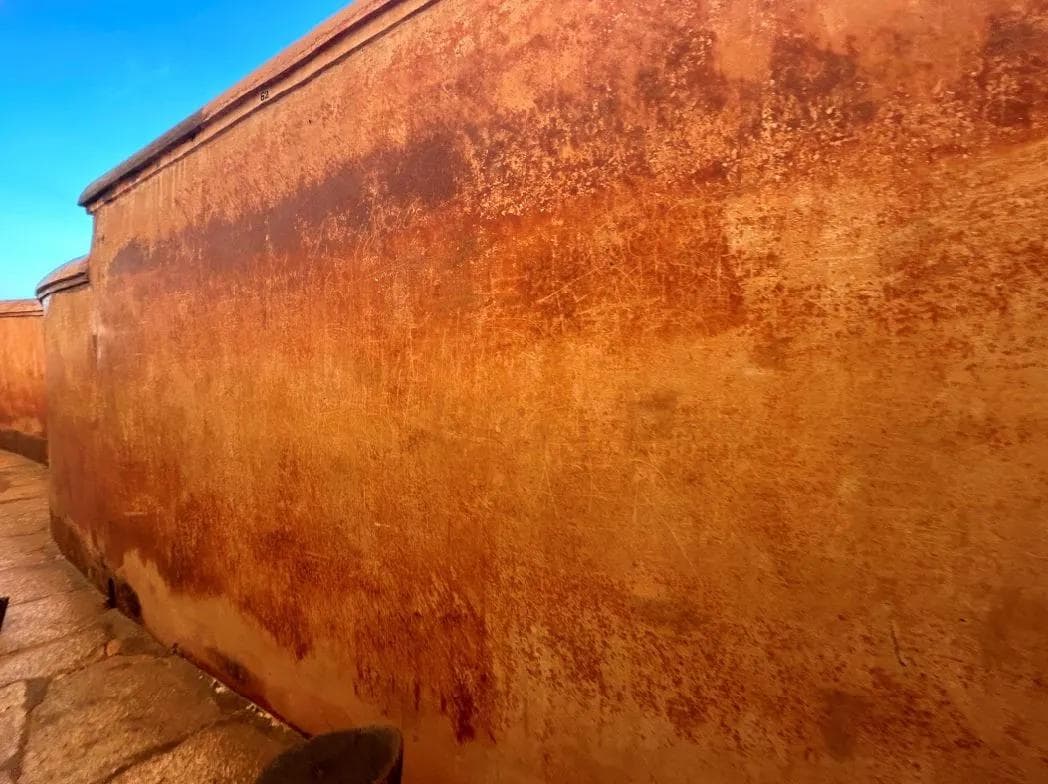
Just below the frescoes runs the famous Mirror Wall, or Katapath Pavura. This highly polished brick wall once served a spectacular purpose.
The Polished Surface:
- Original Function: When built, the wall was plastered with a special mixture, often believed to contain fine lime and possibly egg white, and then buffed to an intensely high sheen. The goal was for the wall to be so reflective that the king could see his own reflection, and perhaps even the frescoes on the opposite rock face, as he walked along the gallery.
- Modern Appearance: While the surface has weathered over 1,500 years, you can still see patches where the plaster maintains a dull reflective quality, demonstrating the advanced craftsmanship.
Sigiriya Graffiti: Ancient Tourist Commentary
The Mirror Wall evolved into much more than a reflective barrier, it became an unwitting canvas for over a thousand years of visitors, from the 6th to the 14th centuries, leaving behind what is now considered Sri Lanka’s oldest poetry and commentary.
Literary and Historical Insight:
- The Writers: These inscriptions, known as Sigiri Kurutu Gee (Sigiriya Graffiti), were penned by ancient tourists, pilgrims, monks, soldiers, and royalty using a metal stylus. This diverse collection of writers, including twelve identified women, indicates a surprisingly high level of literacy among the general populace of the time.
- The Content: The verses are priceless primary sources. Most refer to the beauty of the Sigiriya maidens, expressing awe, love, devotion, and sometimes, philosophical musings about the transience of beauty, often written as elegant Sinhala, Sanskrit, and Tamil poetry. One famous verse reads: “A deer eyed maiden of the mountain side arouses anger in my mind.”
- Preservation: The graffiti offers historians a unique window into the social life, language evolution, and popular reaction to art in medieval Sri Lanka.
The Experience: Visiting the Gallery
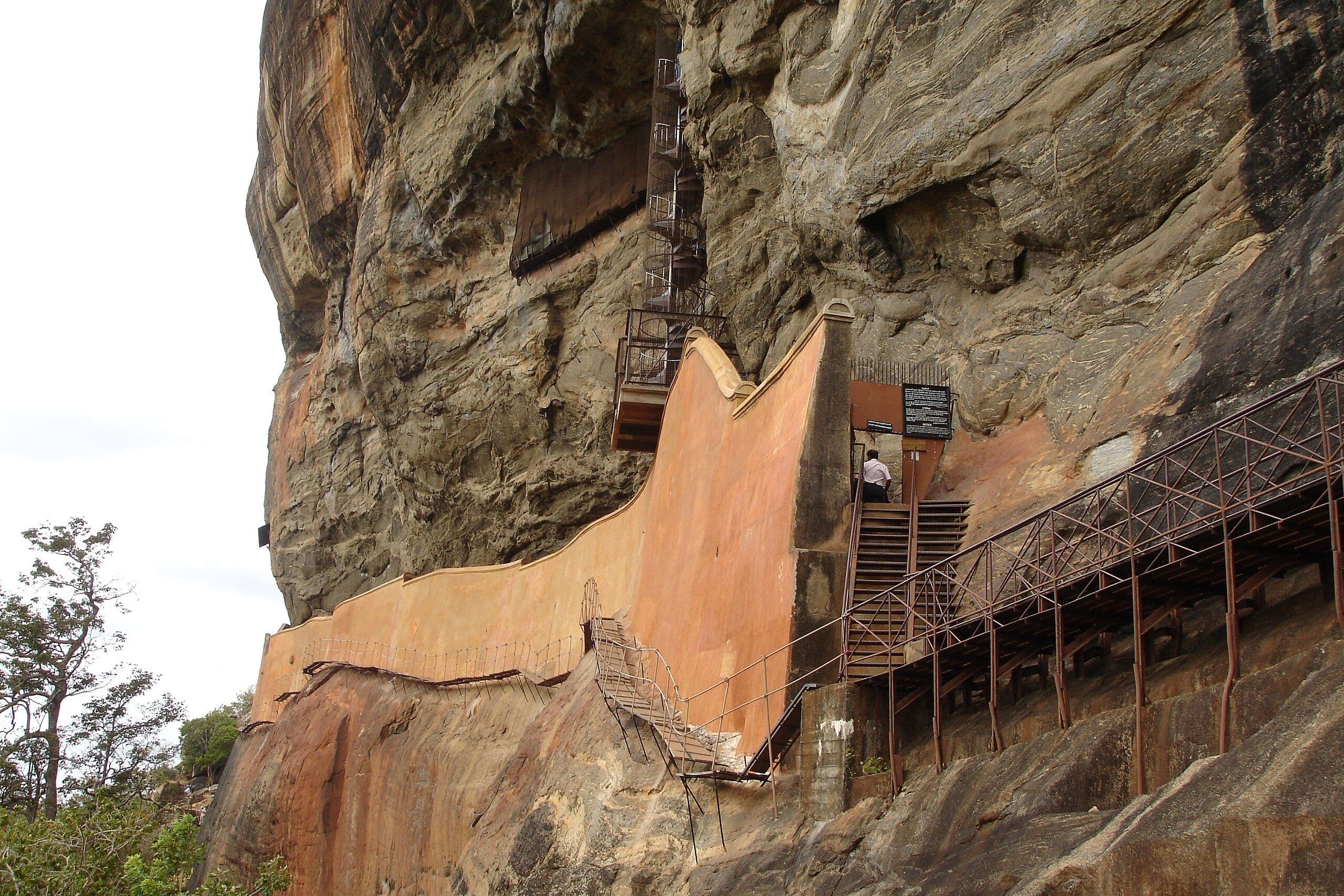
Access to the frescoes and the Mirror Wall is a key part of the Sigiriya climb, located on a mid level gallery reached via a modern spiral staircase.
- Fresco Viewpoint: Visitors walk along a narrow, caged passageway to view the remaining frescoes in the sheltered niche. Photography is generally restricted in this specific area to protect the delicate paintings.
- Mirror Wall Viewing: The path then continues along the Mirror Wall, which is carefully protected by a roof structure to prevent further decay. You can observe the ancient verses from a respectful distance.
This unique combination of royal art and public literary commentary makes the mid level gallery of Sigiriya an unforgettable stop, showcasing the layered history and enduring cultural power of the Lion Rock.
Enjoyed this story? Share it
About the Author
Shehan De Silva
A passionate cultural explorer and travel storyteller dedicated to uncovering the ancient secrets, ancient rock fortress trails, lush palace gardens, and the rich cultural heritage of Sigiriya — the ancient heart of Sri Lanka.