Exploring the Ancient Water Gardens of Sigiriya

Pasindu Bandara
Travel Writer
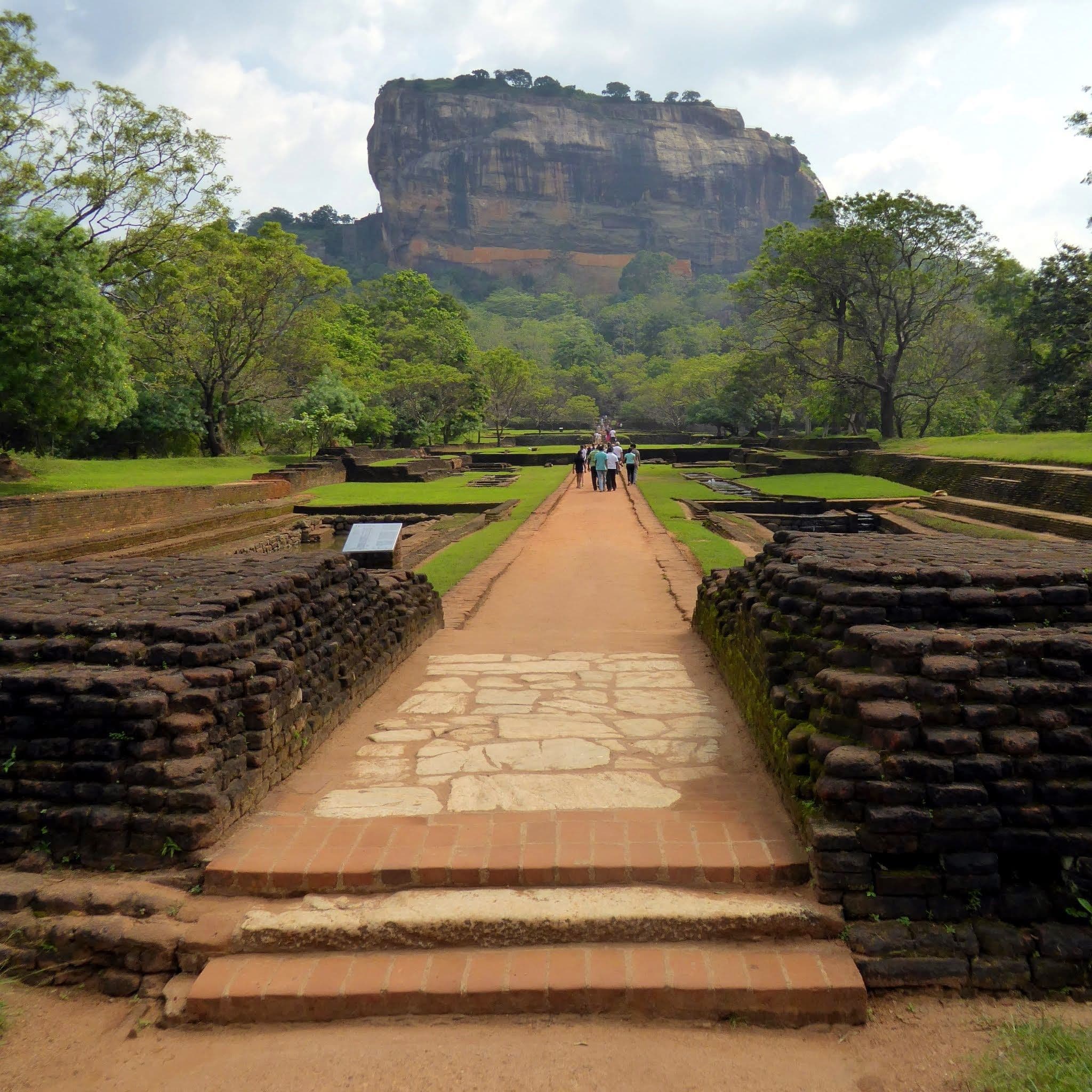
The ascent of Lion Rock commands all the attention, but the journey through its lower gardens offers a profound understanding of the genius of ancient Sri Lankan engineering and landscape architecture. The Sigiriya site is globally recognized not just for its fortress, but for its extensive and sophisticated garden complex, which dates back to the fifth century. Within this vast area, the Water Gardens stand out as a marvel of hydraulic design, a testament to King Kasyapa’s vision of a pleasure palace integrated seamlessly with nature.
The UNESCO Masterpiece: Design and Symmetry
The Water Gardens of Sigiriya are considered among the oldest landscaped gardens in the world. They were laid out on a perfectly symmetrical plan along the east west axis leading up to the rock, embodying the classical char bagh or quadripartite design often associated with royal pleasure parks. This symmetry contrasts dramatically with the asymmetrical arrangement of the later Boulder Gardens, showcasing the deliberate design choices of the ancient architects.
The gardens are divided into three distinct types:
The Miniature Water Gardens: Featuring small, shallow, interlinked cisterns and pools, paved beautifully with quartz pebbles.
The Fountain Garden: This is the most famous section, featuring long, linear pools fed by serpentine streams and ingenious fountains.
The Large Bathing Pools: Symmetrical, tiered pools that served as royal baths.
Engineering Marvels: Gravity Powered Fountains
What makes the Sigiriya Water Gardens truly astonishing is the complexity and sustainability of their hydraulic system. Built over 1,500 years ago, the system relied entirely on gravitational pressure and principles of physics; there were no mechanical pumps involved.
How the System Worked:
- Water Source: Water was primarily drawn from a large manmade reservoir located on slightly higher ground, providing the necessary pressure head.
- Underground Conduits: A sophisticated network of underground clay pipes and conduits channeled the water across the vast garden area.
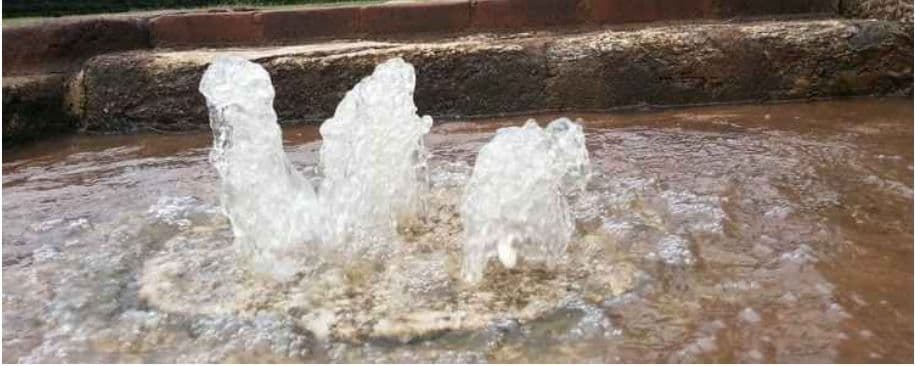
- Fountain Operation: In the Fountain Garden, water was forced up through perforated limestone plates set into the paving. During the rainy season, the pressure was often high enough to make these ancient fountains still function, demonstrating the enduring brilliance of the design.
- Drainage and Storage: The entire landscape was also engineered to channel rainwater and overflow from the rock's summit reservoirs into the system, preventing erosion and ensuring year round supply.
An Atmosphere of Royal Pleasure
These gardens were designed not just for practicality but as a place of royal solitude and luxurious pleasure for King Kasyapa. The environment created by the flowing water, the cooling breezes generated by the evaporation, and the meticulously placed pavilions would have been a respite from the dry climate of the Cultural Triangle.
Walking through the Water Gardens, you can appreciate the tranquility that was deliberately cultivated:
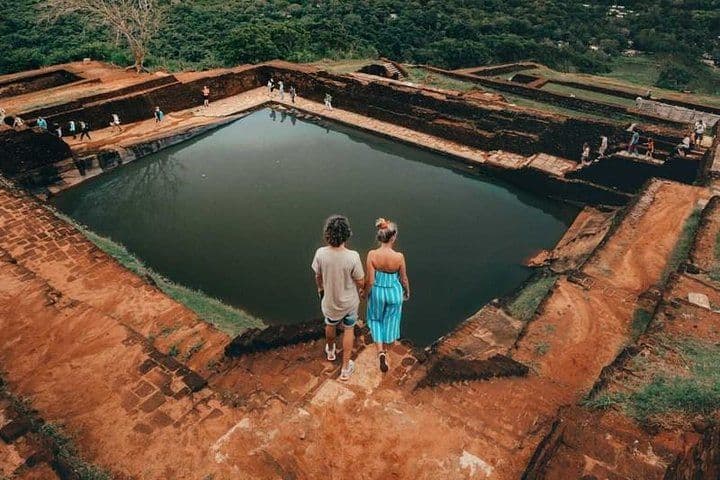
- Reflecting Pools: The large pools acted as reflective surfaces, mirroring the massive rock fortress above and enhancing the beauty of the surroundings.
- Moated Islands: Symmetrically arranged mounds, once likely topped with pavilions, were surrounded by water filled moats, creating a sense of private, secluded islands.
This section of Sigiriya serves as a powerful reminder that the site was conceived as an elaborate pleasure palace, not solely a fortress.
Visiting the Water Gardens: Best Experience Tips
The Water Gardens are the first section you encounter after crossing the protective outer moat and before reaching the Boulder Gardens and the main climb.
- Take Your Time: Many visitors rush through this area to get to the rock, but the gardens are half the experience. Plan to spend at least 30 minutes appreciating the scale and detail.
- Timing: Visit early in the morning, when the air is cool and the light is soft, which enhances the feeling of tranquility and the photographic opportunities.
- Perspective: Remember to look back toward the rock as you walk through the pools to appreciate how the garden was designed to frame the view of the fortress.
Enjoyed this story? Share it
About the Author
Pasindu Bandara
A passionate cultural explorer and travel storyteller dedicated to uncovering the ancient secrets, ancient rock fortress trails, lush palace gardens, and the rich cultural heritage of Sigiriya — the ancient heart of Sri Lanka.