Off the Beaten Path: Discovering the Ancient Monastery Ruins of Ritigala

Olivia Bennett
Travel Writer
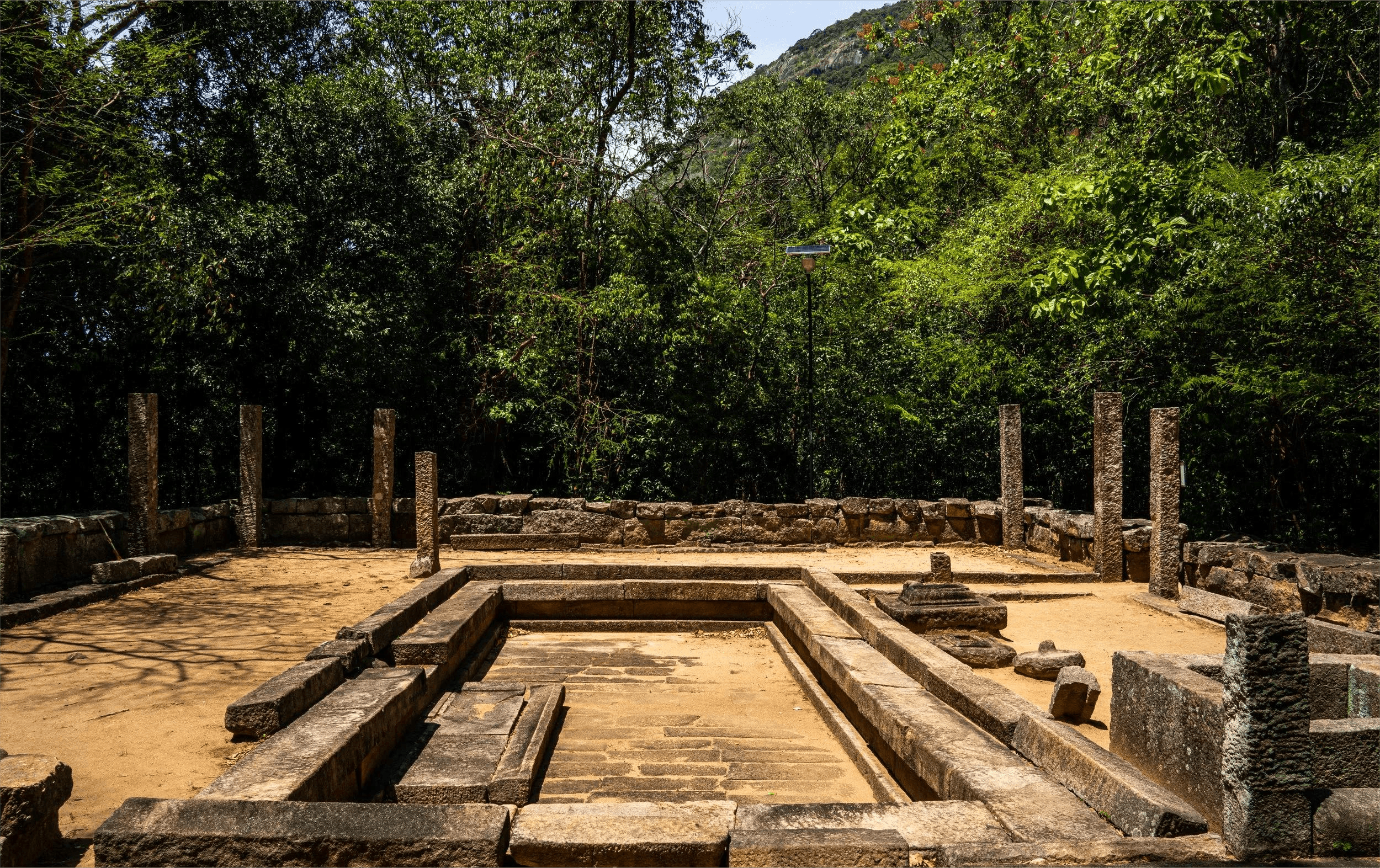
While Sigiriya and Dambulla anchor the Cultural Triangle with their monumental history, the nearby Ritigala mountain range offers a profoundly different and often overlooked historical experience. Ritigala is not a fortress or a royal pleasure garden, but the site of an ancient forest monastery that flourished from the 1st century BCE. Exploring Ritigala provides a quieter, more spiritual, and more adventurous trek into Sri Lanka’s past, perfect for travelers looking to venture truly off the beaten path.
Myth and Mystery: The Ritigala Legend
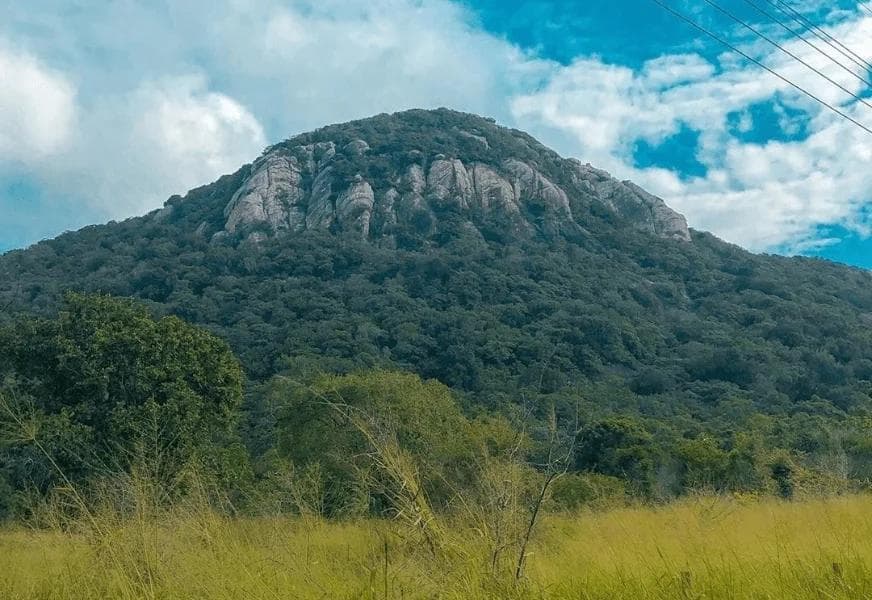
Ritigala is the highest mountain in the northern plains of Sri Lanka, reaching over 760 meters. Its unique ecosystem and historical importance have woven together fascinating local myths.
- Hanuman’s Hill: Local legend connects Ritigala to the Hindu epic, the Ramayana. It is said that during the battle in Lanka, Lord Hanuman, needing medicinal herbs to save Rama’s brother Lakshmana, carried a piece of the Himalayas. When a piece broke off and fell to earth, it formed the Ritigala mountain, giving it its highly localized and unique flora, which differs significantly from the surrounding dry zone vegetation.
- The Atmosphere: Unlike the structured tourism of Sigiriya, the Ritigala ruins are enveloped by a protected nature reserve, lending the site an atmosphere of deep tranquility and historical isolation.
The Monastic Complex: Architecture of Asceticism
The ruins at Ritigala are distinct from the royal architecture found elsewhere. The monastery was built for the Pamsukulika monks ascetics who lived simply in the forest and focused on meditation. Their architecture reflects this austere lifestyle.
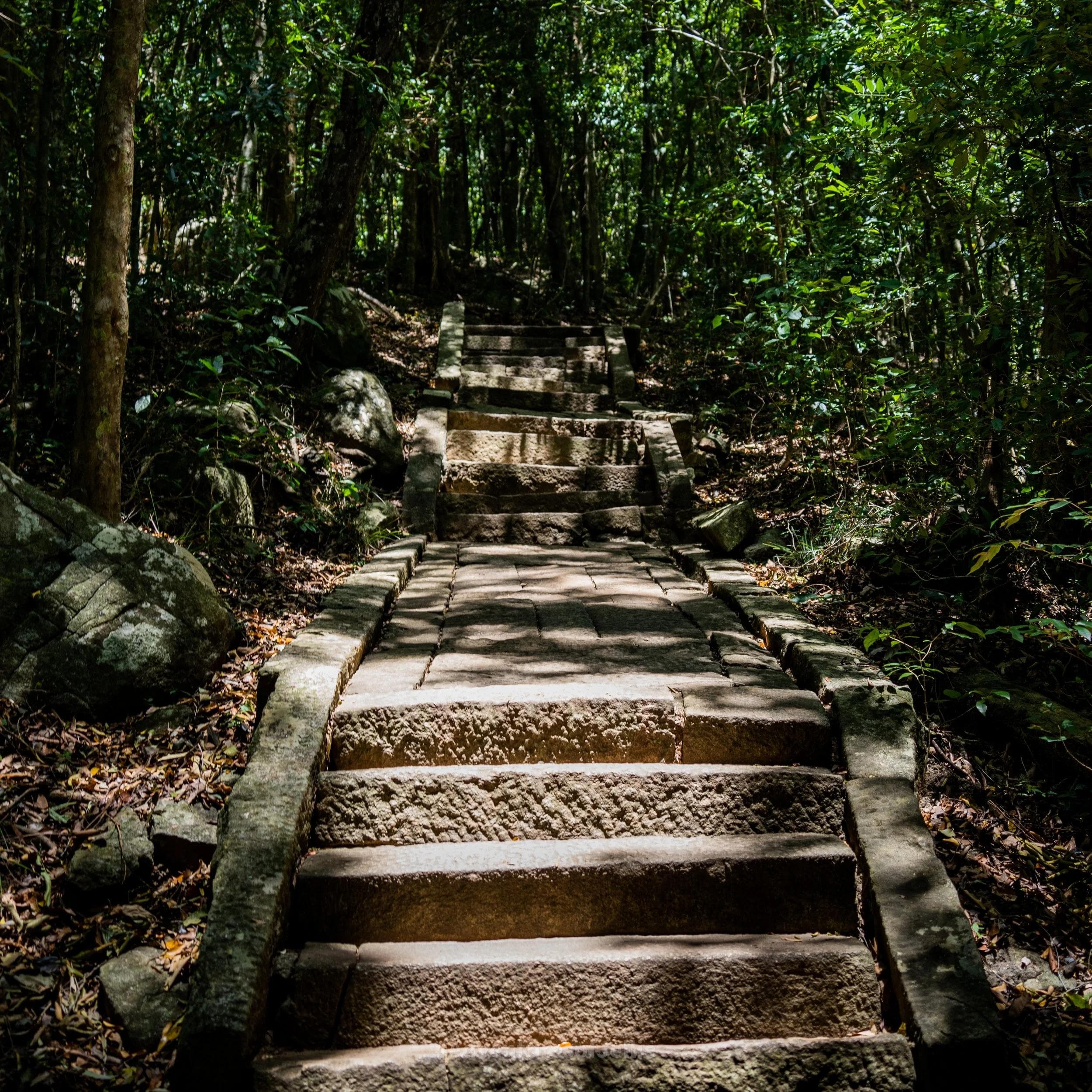
- Stone Paths and Pavements: The site is characterized by beautifully preserved stone-paved walkways that lead deep into the jungle. These paths were laid out to guide the monks from their cells to the main meditation halls.
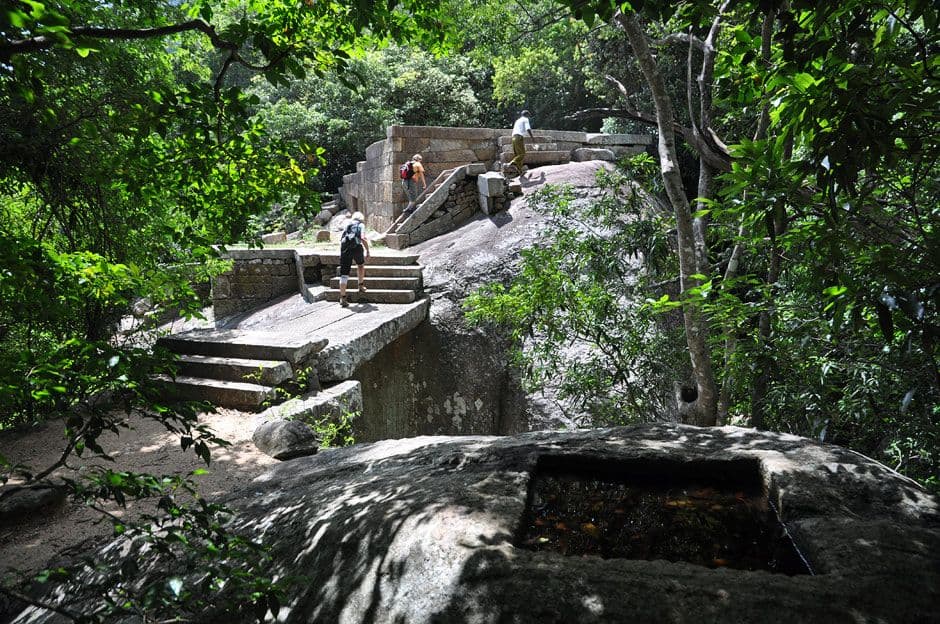
- Raised Platforms and Bathing Ponds: Unlike the ornate vahalkada (frontispieces) found at major stupas, Ritigala features austere, elevated stone platforms used for walking meditation. The ruins also include large, tiered bathing ponds known as pokunas that utilized the natural springs of the mountain.
The Medicinal Legacy
Ritigala was historically renowned as a center for traditional medicine, utilizing the very herbs believed to have fallen from Hanuman’s hand.
- Ayurvedic Influence: Monks who resided here often had deep knowledge of indigenous herbs and Ayurvedic practices. The climate and elevation of the mountain created a unique microclimate that supported a host of medicinal plants not found in the dry lowlands.
- Relics of Healing: The complex contains ruins of what may have been a hospital or clinic structure, further supporting the theory of Ritigala as a center for spiritual and physical healing.
Planning Your Visit from Sigiriya
Ritigala is located about an hour's drive from Sigiriya or Habarana, making it an excellent half day excursion.
- Getting There: You will need a hired vehicle (taxi or van), as the site is remote. The road conditions can be rugged near the park entrance.
- Guides: While not mandatory, hiring a local guide at the entrance is highly recommended. They can bring the ruins and the unique flora to life, pointing out medicinal plants and explaining the subtle significance of the architecture.
- Best Time: Visit in the early morning to enjoy cooler temperatures and the stillness of the jungle.
- Attire: Wear comfortable hiking shoes, as the paths can be uneven. As this is a monastic site, respect the local customs by dressing modestly.
Ritigala offers a genuine journey back to a time of profound spiritual devotion. It is a necessary addition to any itinerary seeking a deeper, more tranquil appreciation of Sri Lanka’s historical legacy.
Enjoyed this story? Share it
About the Author
Olivia Bennett
A passionate cultural explorer and travel storyteller dedicated to uncovering the ancient secrets, ancient rock fortress trails, lush palace gardens, and the rich cultural heritage of Sigiriya — the ancient heart of Sri Lanka.